Which airport are you arriving at?
Buenos Aires has two airports with completely different roles. Getting them confused causes genuine problems.
Ezeiza (EZE) handles all long-haul international flights. It is 45 minutes southwest of the city centre. If you are flying from Europe, North America, or anywhere outside South America, this is almost certainly your airport. See my Ezeiza transfer guide for getting into the city.
Aeroparque (AEP) handles domestic flights and regional services to Santiago, Sao Paulo, and Montevideo. It is 15 minutes from the city centre. A much easier arrival experience. See my Aeroparque transfer guide.
If you are connecting between an international flight at EZE and a domestic or regional flight at AEP, you need to transfer between airports. They are not close. Tienda Leon runs a shuttle bus between the two (about 80 minutes, around $13 USD). Allow significantly more connection time than you think you need.
Immigration at AEP
I arrived at AEP on a regional flight. The process was straightforward but slow. After deplaning by bus (not a jet bridge), you enter the terminal and face two queues: Extranjeros (foreigners) and Argentinos. The foreigners queue took about 45 minutes, which felt long for a small terminal but moved at a steady pace.
The immigration officer checked my passport, asked no questions, and stamped me through. No return ticket or hotel booking was requested, though it is sensible to have these available.
Customs uses a randomiser button - you press it and get either green (go) or red (bag inspection). I got green and walked straight through. Even if you get red, the process is quick.
Immigration at EZE
The same two-queue system applies. EZE handles higher volumes of international arrivals, so queues tend to be longer - allow 30-60 minutes depending on timing. The process is otherwise identical: passport check, stamp, randomiser customs button.
Currency: the first practical hurdle
The Argentine peso is volatile, and the currency situation is genuinely confusing for visitors. Here is what matters:
The “blue dollar” rate is a parallel exchange rate that gives significantly more pesos per US dollar than the official bank rate. This is not illegal - it operates openly - but it means that how you exchange money materially affects how expensive Argentina feels.
Carry US dollars. They are widely useful and give you the best exchange options. Bring clean, recent bills - damaged or old notes may be refused.
ATMs work but charge high fees and impose low withdrawal limits. International cards work at Banelco and Link ATMs. Plan to use a combination of cash and card rather than relying on either alone.
Credit cards are accepted in tourist-area restaurants, hotels, and shops. Some places offer different prices for cash versus card.
SUBE card
Buy a SUBE card as soon as you can. This rechargeable transit card is required for all Buenos Aires buses and the Subte (metro). You cannot pay cash on buses.
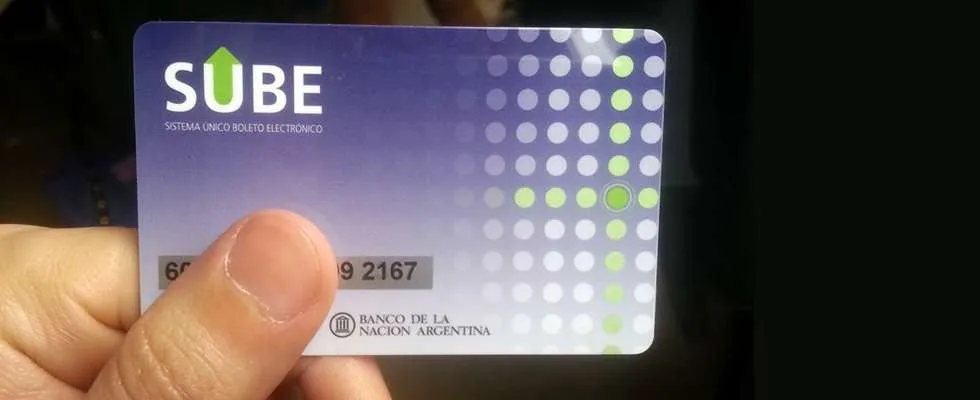
At AEP, buy from the kiosks (small shops selling confectionery and tobacco) inside the terminal. Card costs around ARS $490. Top up at the same kiosks or at Subte stations using a credit card or cash.
A bus journey costs ARS $35-45. A Subte journey costs ARS $58. Board buses at the front door (where you tap your card) and exit through the back doors.
SIM card and connectivity
A local SIM or eSIM is useful for Uber/Cabify and Google Maps. Free WiFi is available in hotels and many cafes, but mobile data makes navigating the city significantly easier. Buy a SIM at the airport or pick up an eSIM before departure.
Safety on arrival
Buenos Aires is safe with normal urban awareness. The specific risks worth knowing about on arrival:
The airport-to-hotel transfer is a moment of genuine vulnerability. You are tired, unfamiliar with the city, and carrying all your belongings. Budget for a remis or Uber rather than trying to find the cheapest option. See my transfer guides for Ezeiza and Aeroparque.
The “mustard scam” is a Buenos Aires classic. Someone squirts a condiment on your clothes, then a helpful stranger appears to assist cleaning it off while an accomplice goes through your bags. If anyone approaches you offering to help clean something, move away immediately.
Phones and cameras on buses are targets. Keep devices in your pocket, not in your hand. This applies citywide but particularly on buses.
Spread your valuables across pockets, bags, and your hotel safe. Do not carry large amounts of cash in one place.
For a full neighbourhood breakdown and where to stay, see my Buenos Aires city guide.